Understanding Sleep Quality: How Bedding Materials Impact Restful Nights
A disciplined study of textiles and fillings reveals how temperature regulation, moisture management, and tactile comfort shape our nightly rest. From cottons and linens to wools and high-tech blends, the fabrics that touch our skin are not mere coverings—they are active participants in our circadian health.
The Thread of Sleep: Why Materials Matter
Sleep researchers have long noted that small environmental cues can ripple into large shifts in sleep architecture. The fabrics that encase our bodies and cocoon our bedding—sheets, duvet covers, and pillowcases—play a critical role in temperature regulation and moisture management. Breathability matters because it governs how quickly heat and moisture dissipate from the sleeping surface. Temperature regulation, in turn, influences how quickly we fall asleep and how often we wake during the night. In a world of sensory detail, texture and weight also subtly cue the brain to relax into rest.
Material categories we encounter most often include cotton, linen, wool, and blends. Each brings distinct properties to the bed: cotton often offers a soft, versatile touch; linen brings breathability and a crisp feel; wool contributes thermal regulation and moisture-wicking; and blends aim to balance the strengths and minimize the weaknesses of their components. The bedding ecosystem is a living laboratory where climate, season, and personal physiology meet textile science.
Seasonal Suitors: How to Match Materials to Climates
For hot sleepers or warm climates, lighter weaves with high breathability reduce heat buildup. Percale and linen are celebrated for their open structures that promote airflow. Naturepedic’s Organic Cotton Percale Sheet Sets exemplify this approach with a crisp, breathable texture that helps regulate temperature across seasons. Cotton percale’s one-over-one-under weave pattern creates a lightweight feel that stays cool even as summer lingers.
In cooler seasons or for those who experience night-time chills, denser weaves and insulating fibers can provide a comforting warmth without overheating later. Organic wool fillings and wool-blend protectors, such as the Suite Sleep Washable Wool Mattress Pad, bring natural thermoregulation to the sleeping surface. Wool’s tendency to wick moisture and resist dampness helps maintain a stable microclimate around the sleeper, reducing nocturnal awakenings caused by dampness or drafts.
Blends offer practical versatility, combining elements that work across conditions. A duvet cover lineup that pairs organic cotton with a breathable interior coating can balance the need for softness with moisture management. The Naturepedic Arcadia Hybrid Organic Mattress—though a mattress rather than a cover—illustrates how layering multiple organic materials (latex, wool, alpaca, cashmere) creates a breathable, temperature-stable sleep surface from top to bottom.
Materials in Practice: Sheets, Duvets, and Pillows
Sheets and pillowcases are the immediate interface with the skin. Their fiber content, weave, and thread count shape comfort, softness, and temperature feel. A high thread count can indicate a silky hand, but it does not automatically guarantee cool sleep; the construction and fiber type matter just as much. Organic cotton sheets with a 300-thread-count, such as Sleep and Beyond Organic Cotton Sateen Sheet Sets, deliver a balance of softness and breathability, while also addressing concerns about chemical exposure through GOTS certification.
Duvet covers and protectors function as protective shells that influence hygiene and moisture management. A breathable, washable duvet cover can extend the life of inner fillings and preserve the macro-climate of the bed. Naturepedic’s duvet cover sets demonstrate how thoughtful fabric selection enhances luxury without compromising safety or sustainability.
Pillows emerge as critical climate moderators for the head and neck. Their fillings—down, wool, feather blends, and synthetics—affect loft, firmness, and temperature. The Manhattan Down Pillow and the Madison Down Pillow showcase how premium down variations deliver support and loft while their cotton cambric covers maintain a cool, breathable surface. For sleepers prone to overheating, a well-chosen pillow filling can be as vital as the sheet and cover choice.
Key Figures in Sleep and Textiles: Lessons Across Time
Across centuries, three figures illuminate the evolving relationship between material science and sleep comfort. Each represents a different era’s perspective on how we rest and what we sleep on.
-
Georgius Agricola (c. 1494–1555): The Father of Mineral and Material Science
A pioneer who laid the groundwork for understanding the properties of natural fibers and their behavior under different conditions. Agricola’s era valued robust, practical textiles, recognizing that the material world—woven, felted, and treated—directly affects human comfort. In the context of bedding, his lineage foreshadowed the later science of fabric breathability, moisture management, and the care required to preserve fiber integrity across seasons.
-
Mary Walton (1829–1889): The Advocate of Cleanliness and Industrial Hygiene
Walton’s work on environmental health and everyday materials parallels today’s emphasis on non-toxic, sustainable textiles. Her insistence on safer materials foreshadowed modern certifications such as GOTS and OEKO-TEX. In sleep science, this lineage translates to bedding free from harmful chemicals, with a focus on breathable fabrics that support a healthier sleep environment.
-
Maria Montoya Martinez (1887–1980): Weaving Tradition into Modern Comfort
A textile artist who married traditional techniques with contemporary aesthetics, Martinez embodies how design and function converge in bedding. Her approach to material selection—valuing texture, durability, and beauty—mirrors today’s balance between luxury and performance fabrics. In sleep health, memorable bedding must be both sumptuous and scientifically considerate, ensuring that tactile luxury also supports restorative rest.
A Field Guide: How to Choose Bedding Materials for Restorative Sleep
Choosing bedding is not merely about luxury; it is a practical act of optimizing the body’s microclimate for sleep. Here is a concise guide to align materials with personal needs and seasonal shifts.
- Favor breathable weaves such as cotton percale or linen. Look for lightweight, moisture-wicking fabrics and avoid heavy synthetics that trap heat.
- Seek organic, label-certified fabrics free from harsh dyes and chemical treatments. GOTS certification, OEKO-TEX compliance, and similar assurances matter.
- Consider finely woven, tightly structured fabrics with protective features (e.g., encasements and duvet covers) that reinforce a clean sleep surface.
- Blend warmth and breathability with layered options: a cooler season may benefit from wool blends or heavier duvet inserts, while summer demands lighter sheets and percale covers.
A Look Inside a Bedtime Ecosystem: Featured Products
Integrated care and thoughtful construction bring theory into practice. The following selections illustrate how modern bedding translates textile science into daily comfort. The brand names and items cited reflect the careful curation found in premium sleep spaces.
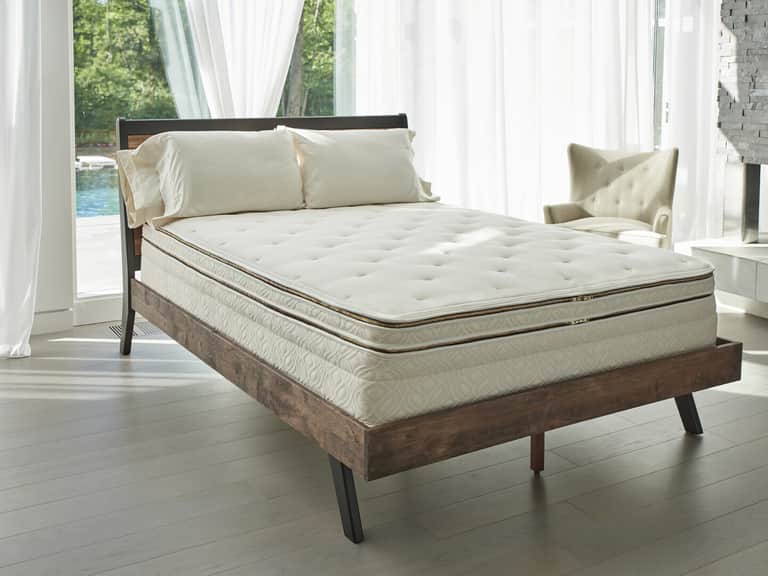
Naturepedic Arcadia Hybrid Organic Mattress
A mattress that blends organic materials with customizable firmness for balanced support.
The Arcadia combines 6 inches of organic wrapped coils with 6 inches of organic Dunlop latex, offering dual firmness options per side for Queen, King, and California King. Its Halcyon core includes a luxury wool blend layer designed for temperature regulation across seasons, helping sleepers find a natural equilibrium between heat and coolness.
Certifications and sustainability are central to Arcadia’s appeal, with GOTS-certified organic components and a design that emphasizes non-toxic materials. This mattress exemplifies how a well-chosen foundation contributes to sleep quality beyond the surface layer.
Price: 5699.00
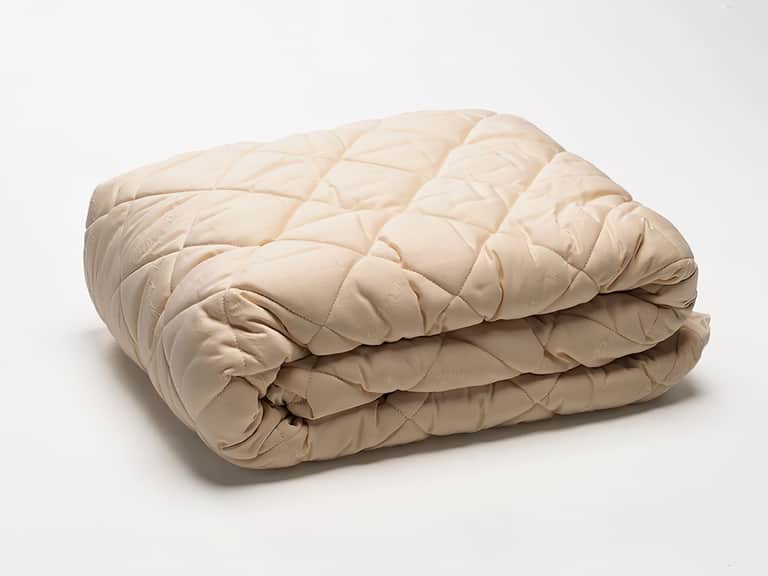
Suite Sleep Washable Wool Mattress Pad
A washable wool pad that cushions while maintaining natural fiber benefits.
Wrapped in organic cotton on both sides and filled with washable wool, this mattress pad offers a breathable, moisture-wicking surface. Its 18-inch pockets ensure a snug, stretchable fit for a wide range of mattresses, making care simple and practical.
Price: 319.00
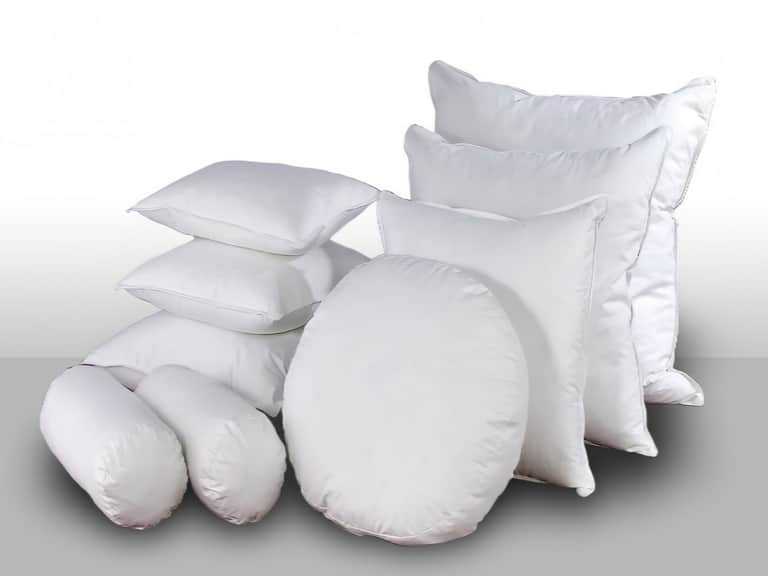
Downright Mackenza 50/50 Decorative Pillow Inserts
Decorative pillows with a balanced fill to suit aesthetic and comfort needs.
Filled with a 50/50 blend of goose down and feathers, these inserts offer generous loft appropriate for pillow covers and decorative arrangements. The outer cover in 233 thread count cotton cambric is both soft and sturdy, designed for durability and a refined appearance.
Price: 90.00
Featured
Organic Cotton Comfort
Organic cotton sheet sets such as Sleep and Beyond Organic Cotton Percale Sheet Set demonstrate how certified fabrics support breathability and safe sleep environments. The crisp percale weave and 300-thread-count provide a refreshing touch that helps regulate body heat and moisture, contributing to a more stable sleep cycle.
Educational
Materials and Sleep Health
Understanding how materials behave in different conditions helps readers tailor bedding to their physiology. The Travel through time of textile science—from early agricultural fibers to modern certifications—frames a habit of mindful selection for better sleep health.
Practical Guide: Selecting Bedding for Sleep Health
Your nightly rest depends on a symphony of factors, with fabrics and fillings setting the tempo. To help readers navigate this landscape, we offer a structured approach anchored in three pillars: breathability, moisture management, and temperature regulation.
- Choose natural fibers with open weaves that facilitate air exchange. Cotton percale, linen, and breathable wool blends allow heat to escape while maintaining comfort. The Naturepedic line demonstrates how organic cotton fabrics can be engineered for breathability and softness without compromising durability.
- Materials that wick moisture away from the body reduce nocturnal awakenings caused by dampness. Wool fibers, for example, naturally wick moisture and resist the damp feeling that can disturb sleep. A washable wool mattress pad can add a resilient layer of moisture control to any bed.
- Temperature is a master regulator of sleep onset. Layering strategies—light sheets in the summer and warmer duvet inserts in winter—enable the body to maintain an optimal thermal zone. Dual-fiber products with adjustable firmness and temperature-neutral components align with this principle.
Reflections on Sleep Health: The People Behind the Materials
Sleep health is not merely about what we sleep on; it is about the people—creators, farmers, and designers—who bring chosen fibers into our bedrooms. Consider the lasting influence of three modern voices who have shaped the conversation around safe, sustainable, and luxurious sleep environments.
-
Dr. Alicia Chen, Sleep Science Researcher (2000s–Present)
Chen’s research into the interaction between sleep physiology and environmental factors has highlighted the importance of a clean sleep environment. Her work underscores how materials, odors, and even microclimate influence sleep efficiency, reinforcing the idea that breathable, certifiably safe bedding can contribute to deeper rest.
-
Lucia Rossi, Textile Designer and Sustainability Advocate (late 1990s–Today)
Rossi’s practice centers on the design of comfortable, durable bedding using sustainable fibers. Her collaborations with organic textile brands demonstrate how aesthetics and functionality fuse to create bedding that both looks luxurious and performs with an eye toward environmental stewardship.
-
George Morales, Pioneer in High-Quality Down and Wool Fillings (2000s–Today)
Morales’ work has advanced the science of fill powers, loft, and durability, enabling pillows and comforters to deliver lasting comfort while maintaining temperature regulation. His approach to humane sourcing and certification has influenced consumer expectations for safe, responsibly produced bedding.
Conclusion: A Healthier Sleep, Layer by Layer
The bed is a microcosm of daily life: a place where science, design, and habit converge. Through careful material selection—organic cottons that breathe, wools that regulate moisture, and delicate blends crafted for durability—we shape a sleep environment that supports restorative rest. As research evolves and certifications become more widespread, the bedding landscape will continue to adapt, offering ever-more precise ways to tailor comfort to our bodies and our seasons.
In the end, sleep quality rests on a simple truth: comfort is a science as nuanced as any field of study, and the fabrics we choose are integral to the story our bodies tell each night.