Sleep environment · Practical guide
How to Build a Cooler Sleep Surface Around an Organic Mattress
An organic mattress may be the centrepiece of a thoughtful bedroom, but the feeling of coolness at night is shaped by the whole sleep surface: the sheet against your skin, the layers above it, the air circulating around the bed, and even the way your room holds heat. A considered setup is less about finding one miracle material and more about editing each layer until the bed feels breathable, balanced, and personal.
Published November 3, 2026
An organic mattress can be a meaningful starting point for a sleep space, but its materials do not act alone. A mattress cover, fitted sheet, top sheet, duvet, blanket, mattress protector, and the room itself all contribute to how warmth and moisture are experienced overnight. The result is a small climate system: layers hold or release heat, fabrics meet the skin, and bedroom air either helps disperse warmth or allows it to linger.
That is why a cooler sleep surface is best approached as a matter of balance rather than a shopping list. Breathability, weave, weight, fit, laundering, and individual comfort preferences each matter. What feels airy to one person may feel too crisp or cool to another. The useful question is not simply, “Which fabric is coolest?” but “How does this layer behave in my room, with my mattress, and through the night?”
This guide looks at the parts of the bed you can adjust, explains how bedding choices interact, and offers a practical way to test changes without rebuilding the entire bedroom at once.
Start with the complete sleep surface
It is tempting to think of a mattress as the whole story, especially when choosing an organic mattress for its material composition. Yet the surface that touches the body is usually a sequence of components. A protector may sit over the mattress; a fitted sheet covers that; and a duvet or blanket creates another layer above. Each one can affect airflow, moisture transfer, softness, and the sensation of warmth.
Consider the bed as a series of decisions, not a single product. If you wake feeling overheated, the cause may be a thick duvet, a close-fitting protector, a warm room, or several modestly insulating layers combined. A sheet that feels cool when you first get into bed cannot necessarily offset a heavy cover that traps heat over the course of the night. Conversely, a breathable sheet may improve comfort even when the mattress itself is not the source of the problem.
Begin with observation. Note whether you feel warm at bedtime or only later, whether the discomfort is concentrated beneath you or under the duvet, and whether it changes with the season. These details can help distinguish between a warm room, excess bedding, and the particular feel of a fabric against the skin. A few nights of simple observation is often more useful than changing several elements at once.
Choose sheets by more than fibre name
Fibre content matters, but it does not tell the whole story. Construction, finish, fabric weight, and the way a sheet fits the mattress also shape its feel. Cotton, linen, and silk can each appear in bedding intended for different preferences, yet no fibre promises that every sleeper will feel cool. The same material may feel crisp in one weave and smooth or substantial in another.
Cotton is familiar and adaptable, with a wide range of textures and weights. A plain, breathable cotton sheet may feel quite different from a denser sateen, even if both are made from cotton. Percale, for example, is commonly associated with a crisp hand, while sateen tends to feel smoother and more fluid. These descriptions indicate texture and construction, not a guaranteed temperature outcome. Personal response, room humidity, and the rest of the bedding still count.
Linen is often chosen for its relaxed texture and its ability to feel comfortable across changing seasons. Its distinctive, slightly rumpled finish can soften with use, and many people appreciate its airy character. But a linen sheet is not automatically cooler for every body or climate; the weave, garment finish, fabric weight, and duvet above it all influence the final experience.
Silk has a smooth hand and can be used as a lightweight layer, but it is not a universal answer to overheating either. Silk’s feel, weight, and care requirements differ from those of cotton or linen. A mulberry silk flat sheet, for instance, can serve as a light layer in a bedding arrangement, while a silk fitted sheet offers a smooth contact surface. If considering silk, check the product’s care instructions and think about how its finish feels to you—not just the fibre name.
Thread count is another detail that can be easy to overinterpret. A larger number does not necessarily mean a more breathable sheet or a better night’s sleep. Weave, yarn quality, finishing, and fabric weight all influence the way a textile behaves. Instead of pursuing a number in isolation, consider whether the sheet feels comfortable, washes well, and suits your preferred level of crispness or softness.
Think in terms of breathable sheets and layers
The most effective bedding adjustments are often the simplest: remove a layer, choose a lighter cover, or swap a dense top sheet for one with a more open, airy feel. Every additional layer can change the bed’s overall insulation. Even a decorative coverlet, which may be folded back at night, can contribute warmth if it remains over the sleeper. A beautifully styled bed need not be a heavily layered one.
For warm nights, begin with the layers you actually use. A lightweight cotton voile bedspread or a simple flat sheet may feel preferable to a thick coverlet or a plush blanket. When temperatures fall, a breathable base layer can remain in place while a warmer cover is added. This seasonal approach keeps the bed flexible: comfort is adjusted by changing the top layers rather than starting again with the mattress.
Pay attention to the relationship between a fitted sheet and the mattress. A sheet that is too tight may pull across the surface, while one that is too loose can bunch beneath the body. Check the mattress depth, including any protector or topper, before choosing a pocket size. A secure, smooth fit is not a cooling treatment in itself, but it can help avoid uncomfortable folds and make the surface feel more consistent.
Mattress toppers deserve the same thoughtful consideration. They can alter cushioning and the immediate feel of the bed, but they also add another layer between the sleeper and the mattress. A topper’s materials and construction may affect warmth, so it is worth considering it as part of the complete system rather than an isolated comfort upgrade. The Mulberry Silk Blend Mattress Topper, for example, combines silk fill with a polyester core and a cotton sateen shell. Its composition may appeal to someone seeking a different surface feel, but it should not be assumed to make every bed cooler; individual response and the other layers remain important.
Reduce unnecessary insulation
When a bed feels warm, it can help to edit before adding. Remove a folded blanket from the foot of the bed for a few nights. Try sleeping with a lighter duvet, or use a top sheet on especially warm evenings. If you share a bed, separate lightweight covers can make it easier for each person to adjust their own layer without changing the other person’s comfort.
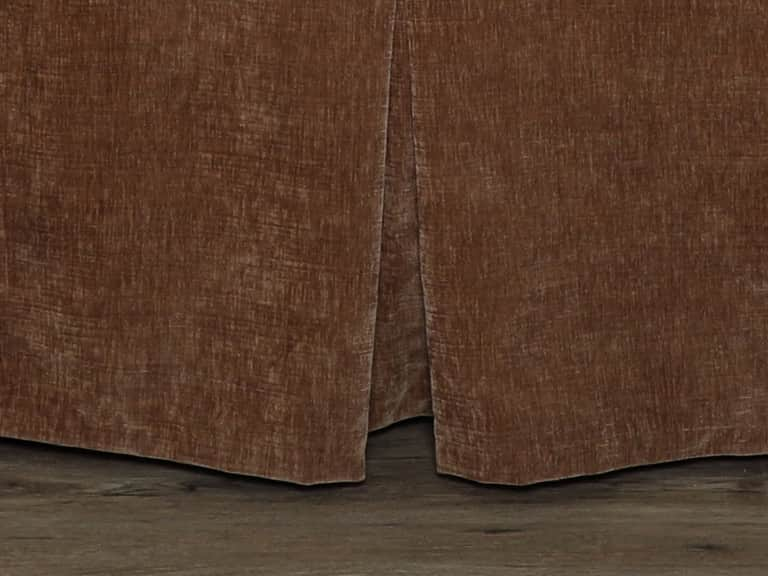
Decorative bedding has a place, but its role is often different from that of the layers used for sleep. A coverlet can bring texture and polish during the day, then be folded aside at night. A bed skirt, meanwhile, is primarily a finishing detail around the bed and does not need to be treated as a sleep layer. Thinking clearly about what is decorative and what is functional makes the bed easier to tailor to temperature.
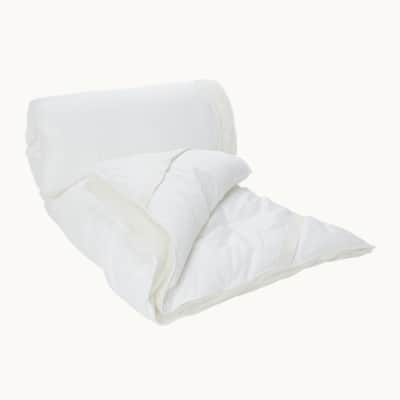
It is also worth checking whether the mattress protector is contributing to a clammy or enclosed feeling. Protectors vary in materials and construction, and their purpose is to create a barrier over the mattress. Review the product details and care instructions, and consider whether its feel works with your sheet and mattress. If you are concerned about mattress protection, do not simply remove it without considering the manufacturer’s guidance, warranty conditions, and household needs. The aim is to find an arrangement that balances protection with comfort.
The bedroom is part of the bedding system
Even carefully chosen breathable sheets can feel warm in a room that holds heat. Ventilation, sunlight, humidity, and the temperature of the room all affect the experience of the bed. Where possible, allow air to circulate before bedtime, reduce direct afternoon sun with curtains or blinds, and avoid placing the bed in a spot that receives persistent heat from a radiator or other source.
Room conditions need not be perfectly controlled to make a difference. Opening a window when outdoor conditions permit, using a fan to move air, or drawing curtains during the hottest part of the day can all be practical adjustments. In humid weather, moisture may evaporate more slowly, changing how bedding feels against the skin. In dry, cool weather, a light cover may feel insufficient even when the room temperature is comfortable. Adapt the setup to the conditions rather than relying on a fixed formula.
Keep the space around the bed reasonably clear as well. Good airflow is not a substitute for appropriate bedding, but a crowded, warm room can feel less comfortable than one with a little more circulation. If you use under-bed storage, leave room for routine cleaning and follow the bed’s care guidance. The objective is not an austere room; it is a space that is calm, clean, and comfortable to inhabit.
Care affects how bedding feels over time
Fresh, well-maintained bedding can make a sleep surface feel more pleasant, while residues, excess detergent, or incomplete drying may leave fabric feeling less comfortable. Follow each textile’s care label rather than applying one routine to every sheet. Cotton and linen often have different washing needs from silk, and some decorative or delicate pieces may require particular handling.
Use detergent in the amount recommended for the load and product. Too much can be difficult to rinse away, while fabric softener may alter the hand or performance of some textiles. Avoid overheating delicate fibres in the dryer, and make sure bedding is fully dry before placing it back on the mattress. A regular washing schedule is useful, but the best interval depends on use, climate, household needs, and the care directions for the specific item.
Rotating sheets and having more than one suitable set can also make seasonal adjustments easier. A crisp cotton set might work well during one part of the year, while a softer linen or silk option suits another preference. Rotation allows bedding to be laundered without rushing and helps reduce wear on any single set. The most sustainable routine is one that you can maintain comfortably and consistently.
A simple method for testing changes
Because sleep comfort is personal, treat your bedroom like a small experiment. Change one element at a time and give yourself several nights to notice the difference. If you replace the sheet, duvet, and mattress protector all at once, it becomes difficult to know what helped—or what made the bed less comfortable.
- Record the pattern. Notice when you feel warm, which part of the bed feels uncomfortable, and what the room is like that night.
- Edit one layer. Remove a blanket, exchange a heavy cover for a lighter one, or test a different sheet weave.
- Keep the rest consistent. For a useful comparison, avoid making several unrelated changes on the same night.
- Consider the season. A setup that works in a cool room may need adjustment during a warm or humid spell.
- Keep what feels right. The best arrangement is the one that supports your comfort and is practical to care for.
This approach makes the search for a cool sleep surface more measured and less wasteful. It also respects the fact that temperature perception can vary from night to night. Stress, illness, medication, hormonal changes, and other personal factors may influence how warm or cool someone feels. Bedding can support comfort, but it cannot explain or resolve every persistent sleep or temperature concern.
Organic does not mean one-size-fits-all
The term “organic” describes particular production or certification considerations; it does not by itself tell you how warm a mattress will feel. Look at the product’s actual materials, construction, and care guidance, and consider how those features combine with the bedding above it. A well-chosen organic mattress can be part of a thoughtful sleep environment, but the surrounding layers still deserve attention.
When reviewing materials, distinguish between specific, verifiable details and broad claims. Fibre content, fabric construction, certification information, and care instructions offer more practical guidance than general assurances that a textile is “cooling.” Certifications apply to defined standards and should be understood in their stated scope; they are not proof that a product will create a particular temperature sensation for every sleeper.
Comfort also includes more than temperature. A sheet that feels cool at first touch may not be the one you prefer after a full night. Some sleepers value a crisp surface, others prefer a smooth drape or a softly textured hand. The right choice is the one that meets your priorities without adding unnecessary complexity to the bed.
A considered bed, not a complicated one
Building a cooler sleep surface around an organic mattress begins with a clear view of the whole bed. Choose breathable sheets for their fibre and construction, pay attention to weave and weight, and use only as many layers as you need. Check the role of protectors and toppers, keep room conditions in mind, and care for textiles according to their instructions.
There is no universally perfect sheet, duvet, or mattress combination. The most successful arrangement may be a light flat sheet and a modest cover in summer, then a warmer layer when nights turn cool. It may involve a different weave, a less insulating topper, or simply a better-ventilated room. Small, deliberate adjustments are often enough to make the bed feel more in tune with the season and with your own preferences.
Think of the ideal sleep surface as edited rather than elaborate: considered materials, a comfortable fit, layers that earn their place, and a room that feels restful. The luxury lies not in abundance but in the ease of settling in—and waking without feeling that the bed has asked too much of the night.
Quick checklist for a cooler-feeling bed
- Assess the complete combination of mattress, protector, fitted sheet, top sheet, and cover.
- Choose sheets by weave, weight, texture, and care needs—not fibre name alone.
- Remove or lighten layers that are not needed for sleep.
- Check that fitted sheets suit the mattress depth, including any topper or protector.
- Consider room temperature, sunlight, humidity, and airflow.
- Wash and dry bedding according to its care label.
- Test one change at a time and keep the setup that feels comfortable to you.
This article offers general educational information about bedding and sleep environments. It is not medical advice and does not diagnose or treat sleep or health conditions. For persistent sleep difficulties or unusual changes in body temperature, consider speaking with a qualified healthcare professional.