The Fabric Landscape: Why Materials Matter in Sleep Luxury
In a world where sleep has become a curated ritual, the materials that cradle us at night are as vital as the stories we tell in the morning. Bedding fabrics are not mere coverings; they are the first line of defense against heat, moisture, and micro-motions that disrupt rest. A designer’s eye recognizes that the right textile choice—whether it’s the cool sheen of long-staple cotton, the lavish drape of silk, or the crisp airiness of percale—translates into a nocturnal experience that feels like a quiet, couture moment in time.
This guide dives into the core materials that populate premium sleep spaces: cotton varieties (with emphasis on long-staple and Egyptian grades for their softness and durability), silk stewardship and warmth, and blends that balance breathability with luxurious drape. We’ll also explore climate compatibility, personal comfort, and how to assemble a sleep environment that reads as effortlessly chic—without compromising comfort or practicality.
Cotton: The Grounded Classic with a Luxury Brief
Cotton remains the universal language of comfortable sleep. Its versatility lies in the array of cultivars, weaves, and finishes that can whisper or announce luxury. Long-staple and extra-long-staple cottons deliver a finer hand, reduced pilling, and enhanced durability. Egyptian cotton, renowned for its long fibers, yields a softness that deepens with repeated washings. The weave—whether percale or sateen—drives the tactile and visual narrative of the fabric.
Percale cotton is a crisp, matte weave with a cool hand. It invites a breathable feel that remains steady across seasons, making it ideal for warmer climates or those who crave a refreshed, airline-clean sheet experience night after night. Sateen, by contrast, has a buttery, luminous drape that glides over skin and hair. It carries a smoother, more lustrous surface that some sleepers associate with a cocoon-like warmth. The choice between percale and sateen often signals a user’s wellness goals: breathability vs. tactile luxury.
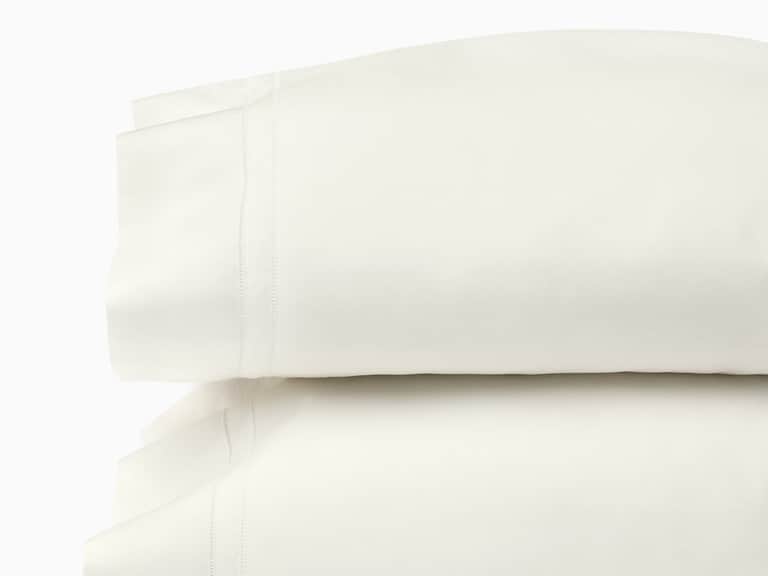
Premium cotton sheets—such as those embellished with refined hemstitch or tailored piping—signal an elevated aesthetic while preserving the practical virtues of durability and ease of care. For a truly couture touch, look to textiles that pair cotton with high-thread-count weaves and meticulous finishing. When selecting cotton sheets, prioritize fiber length, weave, and finishing quality over gimmicks; the point is to cultivate a bedding base that remains comfortable, breathable, and visually serene over time.
Silk: Temperature Regulation Meets Skin-Lie Luxury
Silk is the pure embodiment of luxury sleep, prized for its temperature-regulating properties and its skin- and hair-friendly texture. Mulberry silk—especially in 19- to 22-momme weights—offers a breathable surface that helps maintain a stable microclimate around the body. Silk’s natural protein fibers reduce friction against hair and skin, supporting a smoother morning after and a less agitated wake-up call.
Careful sourcing is essential in silk bedding to balance sustainability and performance. Silk is inherently delicate, requiring gentle washing and air-drying to preserve lustre and integrity. When integrated into a premium sleep ensemble, silk works beautifully as duvet covers, pillowcases, and fitted sheets in lighter weaves that encourage airflow while still delivering a refined aesthetic. Silk beddings in muted tones can serve as the quiet, luxurious backdrop for a room designed around calm and contemplation.
Percale vs. Sateen: The Visual and Tactile Duality
Percale and sateen are not merely finishes; they are the daily ritual of comfort. Percale’s crisper hand and matte finish create a sense of morning clarity—an atmosphere of freshness and discipline. Sateen’s soft sheen and smoother surface offer an indulgent, satin-like feel that invites a more indulgent night’s rest. Both fabrics can be engineered with refined details—such as double hemstitch, exposed edge piping, or tailored bed linens—that elevate a bedroom’s character while preserving functional quality.
When considering a premium sleep space, the decision between percale and sateen often aligns with climate, wardrobe, and sleep posture. In warmer climates or for hot sleepers, percale’s breathability can reduce nighttime heat buildup. For those seeking a cocoon of warmth without heaviness, sateen’s drape can soften a room’s mood and invite relaxation. The best approach is to curate a balanced rotation: a core set of percale sheets for warmer nights and a satin-soft sateen set for cooler seasons, keeping the space feeling luxurious year-round.
Blends and Finishes: The Subtle Superlatives
Blends—cotton-silk, cotton-modal, or cotton-linen hybrids—offer a negotiation between breathability, drape, and ease of care. Blended fabrics can bring temperature regulation and texture diversification into a single ensemble, enabling a premium sleep environment that’s adaptable to seasonal shifts and personal preference. Finishes such as a double hemstitch, tailored hems, and hemmed edges provide the polish that translates a bed into a couture moment rather than a utilitarian surface.
The goal is to achieve a cohesive aesthetic that harmonizes with other room elements, from drapery to headboard detailing, with an eye toward long-term durability and a sense of timeless refinement. In a designer framework, finishes act like jewelry—subtle, intentional, and elevating without shouting.
Material Profiles: A Quick Reference for Everyday Decisions
- Cotton, long-staple or Egyptian: Soft, durable, and breathable. Ideal as a versatile foundation for most sleepers.
- Egyptian cotton: Superior softness and sheen with careful laundering; a premium choice for longevity.
- Percale: Crisp, cool, matte surface; perfect for heat-dissipation and a clean tactile feel.
- Sateen: Silky, luminous surface with a gentle warmth; a luxurious alternative for a cocoon-like feel.
- Silk (mulberry, 19–22 momme): Hypoallergenic, breathable, and skin-hugging; best reserved for those prioritizing luxury and temperature regulation.
- Blends: Balanced performance—breathability with drape; ideal for transitional seasons.
A Designer’s Pick: Assembly for a Premium Sleep Space
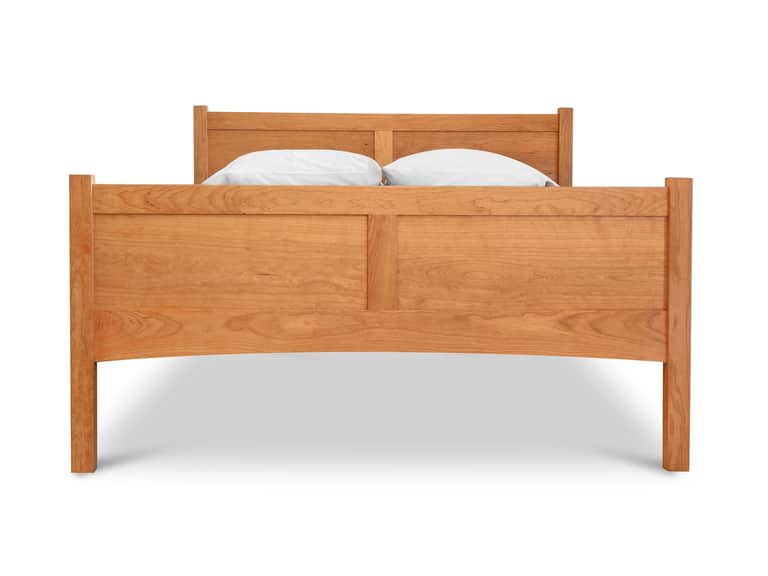
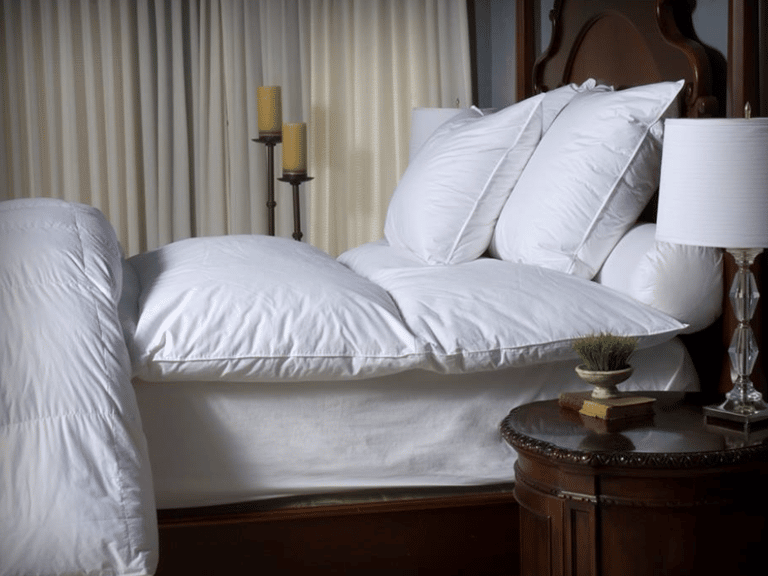
To translate these material insights into a tangible, editorially chic bedroom, consider the following layering strategy: Start with a foundation of high-quality cotton sheets in a neutral, timeless weave (percale for crispness or sateen for warmth). Introduce a silk-based duvet cover or silk-containing top layer for a subtle sheen and skin-friendly comfort. Add a pair of pillowcases in a matching material or a complementary texture to frame the face and amplify the room’s sense of couture calm. Finally, select a statement bed frame and a minimal yet luxurious bed skirt to ground the ensemble in a salon-ready silhouette.
When possible, choose textiles with clear sourcing and ethics, as refined luxury increasingly depends on responsible stewardship. A premium sleep environment honors not only comfort and aesthetics but also the integrity of materials and the longevity of the space.
A Designer’s Timeline: Influential Figures Across Eras
Style and sleep have long intersected the worlds of art, science, and design. Here are three key individuals from different time periods who illuminate the relationship between luxury, comfort, and material culture:
-
Marie-Antoinette (18th century)
A symbol of couture refinement, her era celebrated sumptuous textiles and elaborate bedroom aesthetics. The reverence for fine fabrics—silks, damasks, and meticulously tailor-made linens—laid the groundwork for modern luxury bedding sensibilities. Her salons imagined sleep spaces as intimate theatres where fabric, color, and light choreographed an atmosphere of aristocratic ease. -
Thomas Edison (19th–20th century)
While best known for invention, Edison’s era catalyzed mass production and material science that touched textiles and home goods. The rise of synthetic fibers, improved dyeing techniques, and quality controls influenced how bedding could achieve consistent performance, durability, and accessibility—pushing premium sleep environments toward everyday luxury. -
Vogue-era fashion icons of the 20th century (e.g., Diana Vreeland era editors)
The magazine as a cultural force celebrated mood, texture, and the romance of interiors. This lineage reframed sleep spaces as social tableaux, where textiles carried narrative weight and design language became synonymous with lifestyle aspiration. Their influence persists in how we curate color, weave, and finish to craft rooms that read as fashion-forward yet grounded in comfort.
Curating Your Sleep Environment: Practical Steps
A premium sleep space begins with practical steps that respect both the science of rest and the romance of design. Here are actionable moves to implement now:
- Audit your climate: If you wake with heat or chill, align your sheet weight and weave with seasonal layers—a percale core for summer, a sateen layer for winter.
- Choose a core color story: Neutral tones create calm; subtle hints of deeper hues anchor the room without overpowering the senses.
- Invest in a single, high-quality centerpiece: A timeless bed frame with a high-quality timber or upholstered surface sets the tone for the entire space.
- Pair textures with function: If you value breathability, opt for cotton or linen weaves; if you crave softness, consider silk or silk-blend accents for tactile richness.
- Maintenance matters: Prioritize easy-care finishes and washing guidelines to ensure the space remains pristine without requiring excessive effort.