Introduction: The Body, Temperature, and the Sleep Microclimate
Sleep is not merely a passive state of rest; it is a complex physiological process governed by thermoregulation, humidity, and microclimate within the bedding enclosure. The body’s core temperature drops in the hours leading to sleep, signaling the brain to initiate deeper rest. Bedding materials play an intimate role in this dance, either aiding heat dissipation or trapping warmth. In the quiet hours of the night, the right fabric can become a co-regulator of your sleep, a partner that helps you fall asleep faster, stay asleep longer, and wake refreshed.
The research that informs contemporary sleep science emphasizes moisture management, breathability, and thermal inertia. When we choose sheets, pillow fills, and duvet covers, we’re selecting materials that influence how quickly moisture evaporates, how air flows around the body, and how heat is stored or released. The goal is a stable sleep environment—cool enough to prevent night sweats, yet warm enough to avoid waking to chilly air.
Key Material Categories and Their Effects
Materials can be grouped into several primary families: cotton (in both percale and sateen weaves), linen, wool, and blends that combine natural fibers for enhanced performance. Each category interacts with the body and climate in distinctive ways.
- A versatile baseline, cotton offers breathability and softness. Percale weave creates a crisp, cool feel with a matte finish, ideal for hot sleepers. Sateen, with a higher thread count and a satin-like drape, tends to feel warmer and silkier, suited for cooler environments.
- Linen’s natural moisture-wicking and forgiving textures make it exceptionally breathable. It remains cool in summer and gains a subtle warmth in cooler months as it dries and relaxes with use.
- Wool fibers regulate temperature through inherent moisture management. Lightweight, breathable wool (including merino) is naturally resistant to dust mites and molds, offering a durable, thermally reactive option for varied climates.
- Blends (cotton-wool, cotton-linen) balance softness, durability, and temperature regulation. They often provide a best-of-both-worlds solution for people who experience variable sleeping environments.
Practical Guide: Sheets, Pillow Fills, and Duvet Covers
Choosing the right combination of sheets, pillow fills, and duvet covers depends on climate, personal preference, and any sensitivities. The following guidance translates material science into actionable decisions.
Sheets: Temperature, Texture, and Care
The sheet set is the foundation of the sleep surface. Organic cotton percale sheets—the classic hotel staple—offer a crisp, breathable feel ideal for warm sleepers. In contrast, organic cotton sateen sheets present a smoother, warmer hand that can be comforting in cooler rooms.
- Look for cotton percale or linen sheets with lower thread counts for optimal airflow.
- Consider cotton sateen or blended blends with wool or brushed finishes for added warmth.
- Organic cotton with GOTS or OEKO-TEX certifications minimizes exposure to harmful chemicals.
Pillow Fills: Support, Breathability, and Sleep Position
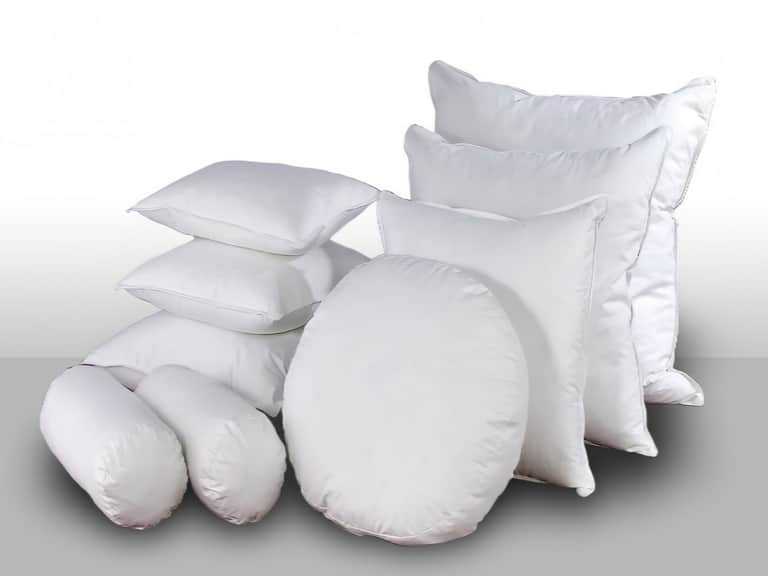
Pillow fill chosen for your sleeping position (side, back, stomach) can dramatically influence neck and shoulder comfort. Down, feather blends, wool, and synthetic fills each have unique characteristics.
- Offer plushness and resilience, with varying loft and firmness depending on fill power.
- Provide temperature regulation and natural resilience, often preferred by those seeking allergy-conscious options.
- Consistent and often hypoallergenic, suitable for those with sensitivities to natural fibers.
Duvet Covers and Temperature Regulation
Duvet covers protect the duvet and influence the feel of the bed. Natural fibers like organic cotton, linen, and wool blends offer breathability, durability, and a tactile experience that can play into thermal comfort across seasons.
Three Key Figures in the History of Sleep and Comfort
Across centuries, thinkers and scientists have explored sleep, warmth, and comfort. Three figures from different eras illustrate how evolving understanding of materials and physiology has shaped modern bedding.
Hippocrates (c. 460–370 BCE): The Early Inquiry into Rest
The father of medicine, Hippocrates, approached sleep not as a passive act but as a biologically essential state governed by harmony within the body. While he did not study textiles explicitly, his emphasis on balance and environmental influence foreshadowed later interest in how sleeping environments—breathable fabrics, clean air, and comfortable temperature—affect health.
Maria Montessori (1870–1952): Sleep, Routine, and Environment
Though renowned for education, Montessori’s philosophy centered on structured environments that support healthy development. Her attention to habit formation and environmental clarity foreshadowed how a well-structured sleep space—orderly bedding, regulated temperature, and predictable routines—contributes to restorative rest, especially for families and children.
Dr. Matthew Walker (b. 1978): The Science of Sleep Today
A contemporary sleep scientist and author, Dr. Walker has popularized the scientific understanding of sleep cycles, temperature regulation, and the importance of sleep quality. His work underscores how the bedding environment—temperature, humidity, and comfort—can modify sleep stages, circadian rhythms, and cognitive performance the next day.